

Custom Packaging Boxes in Dubai: Design, Printing, Types, Materials, & Costs
Your packaging is often the first physical interaction a customer has with your product.
Before they see the product itself, they see the box. They notice its design, colors, material, weight, texture, and finishing. A well-designed package can make a product feel premium, protect it during delivery, and strengthen brand recognition. This is especially important for businesses in Dubai and across the UAE, where packaging plays an important role in retail, e-commerce, gifting, cosmetics, perfumes, food, corporate gifts, and luxury products.
Professional packaging box printing in Dubai combines structural design, suitable materials, high-quality printing and finishing to create packaging that looks good and performs its job.
Whether you need folding cartons, corrugated mailer boxes, rigid luxury boxes, magnetic boxes or custom-shaped packaging, the right structure should be selected according to your product, budget, brand, and intended use.
What Are Custom Packaging Box Services?
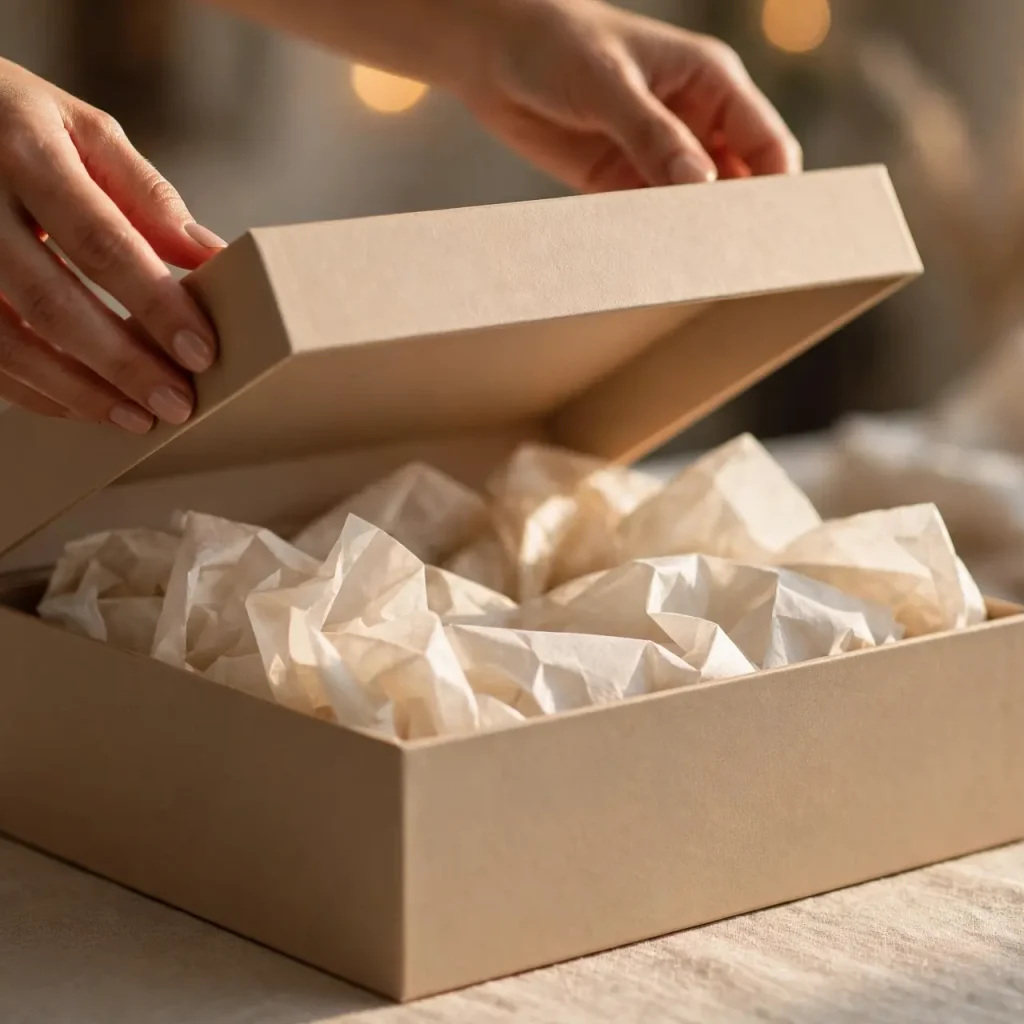
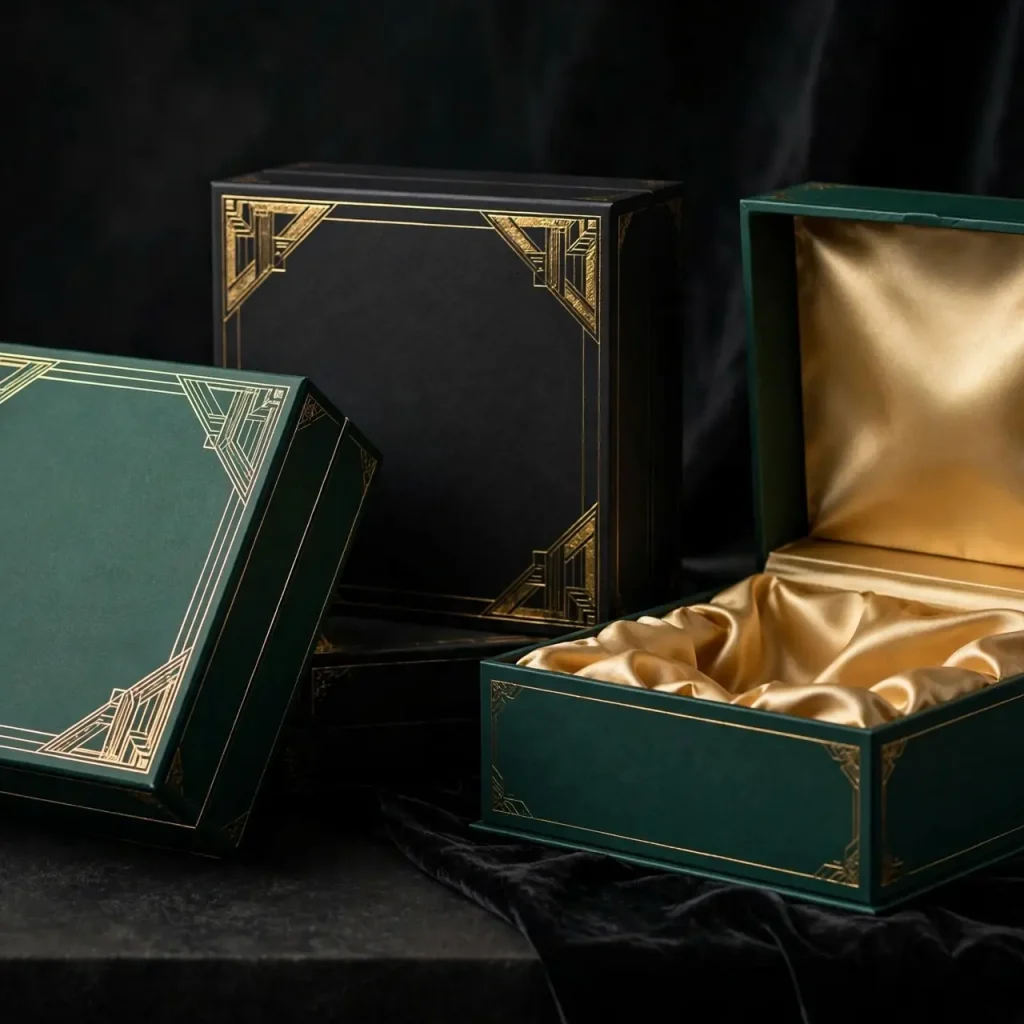
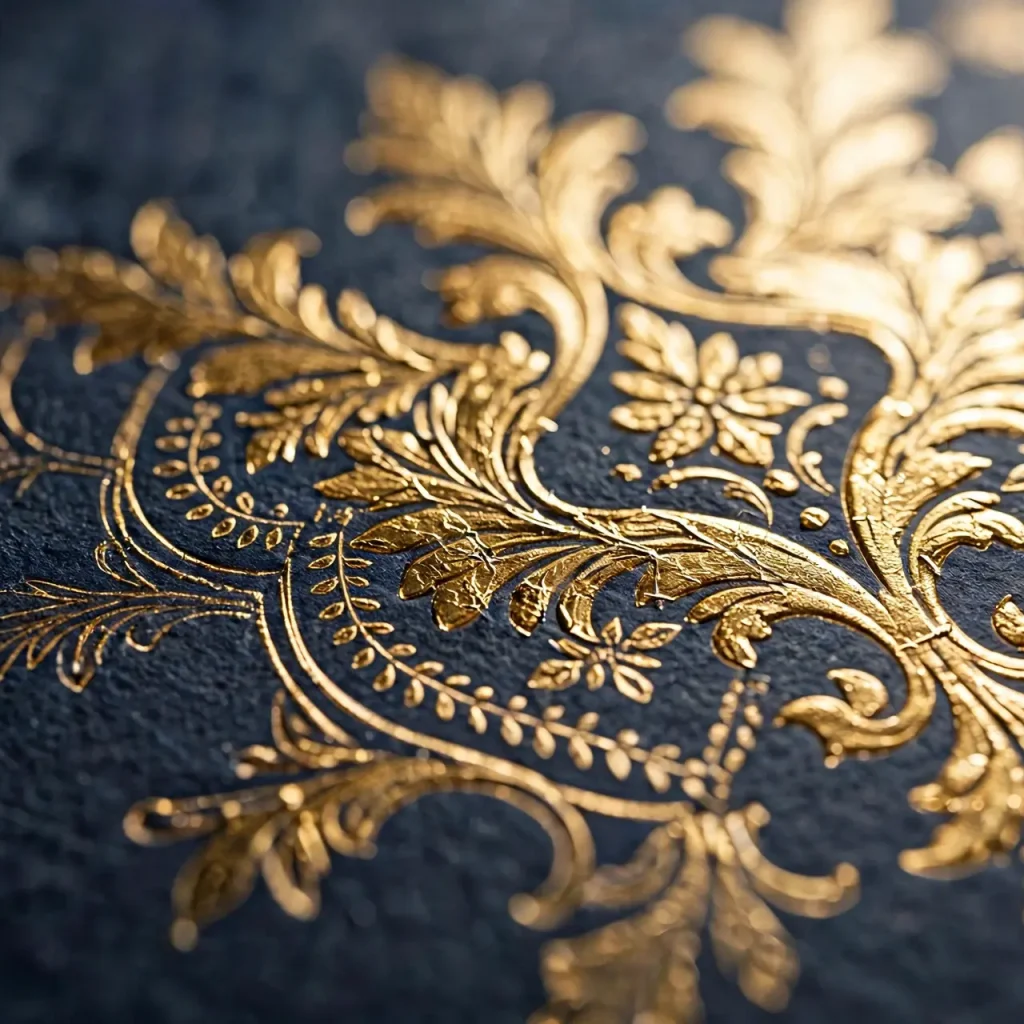
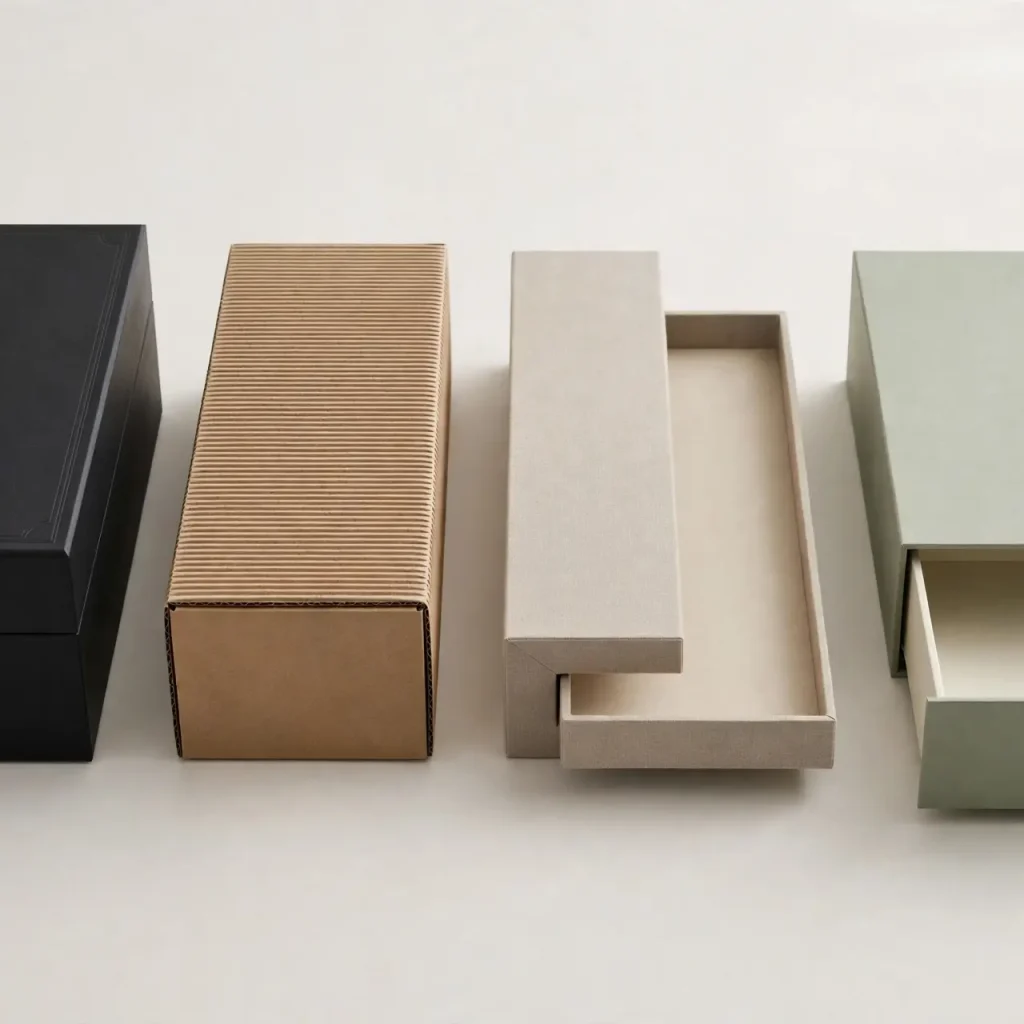
Custom packaging box services cover much more than simply printing a logo on cardboard. A professional packaging supplier can help with design, structure, material selection, printing, finishing, sampling, and production.
A typical custom packaging project can include:
1. Packaging Box Design
The process starts with both the visual design and structural design of the box.
The visual design includes:
- Logo placement
- Brand colors
- Typography
- Product information
- Images and graphics
- QR codes
- Marketing messages
The structural design determines how the box is actually constructed, including folds, panels, tabs, glue areas and closures. This structural template is known as a dieline.
2. Custom Printing
Your artwork can be printed directly onto the selected packaging material. Depending on the quantity and project requirements, printing may use digital, offset or other suitable production methods. For businesses with specific brand colors, Pantone references may also be used where appropriate.
3. Different Board and Paper Stocks
Packaging can be produced using different materials depending on its purpose.
Common options include:
- Art board
- Kraft board
- Corrugated board
- Rigid greyboard
- Specialty textured stocks
The material affects the box’s:
Strength → Appearance → Print quality → Weight → Cost
4. Finishing Options
Finishing can dramatically change a package’s appearance and feel.
Popular options include:
- Matte lamination
- Gloss lamination
- Soft-touch lamination
- Gold foil
- Silver foil
- Rose-gold foil
- Embossing
- Debossing
- Spot UV
5. Custom Sizes and Shapes
Your packaging should be designed around the product rather than forcing the product into a standard box.
Custom packaging can accommodate:
- Different product dimensions
- Multiple products
- Protective inserts
- Special closures
- Unusual product shapes
Custom structures can also include drawer boxes, pillow boxes, sleeves, hexagonal boxes and other bespoke designs.
6. Bulk Packaging Production
Businesses can order packaging in quantities ranging from smaller production runs to large-volume orders.
Higher quantities can often reduce the cost per box because setup and production costs are distributed across more units.
7. Delivery
Completed packaging can be packed and delivered to your office, warehouse, retail location, or other approved destination.
For large orders, businesses may also consider staged deliveries to reduce storage requirements.
Important: Exact minimum order quantities, production times, and delivery coverage should be confirmed with your packaging supplier before ordering.
Types of Custom Packaging Boxes in Dubai
Different products require different packaging structures.
The right choice depends on whether your priority is luxury presentation, product protection, retail display, shipping or cost efficiency.
Packaging Box Comparison
| Box Type | Best For | Main Advantage |
| Rigid Box | Perfumes, jewelry, luxury products | Premium appearance |
| Corrugated Mailer | E-commerce | Shipping protection |
| Folding Carton | Retail products | Cost-effective printing |
| Sleeve Box | Cosmetics, food, gift sets | Elegant presentation |
| Drawer Box | Premium gifts | Interactive opening |
| Magnetic Box | Luxury products | Premium unboxing |
| Kraft Box | Eco-focused products | Natural appearance |
| Window Box | Food, cosmetics, retail | Product visibility |
| Shoulder Box | Perfumes and luxury products | Premium structure |
1. Rigid Boxes
Rigid boxes are made from thick, solid board and are designed to provide a premium, substantial feel.
Unlike folding cartons, they generally maintain their structure rather than being designed to fold flat after production.
Common uses include:
- Perfumes
- Watches
- Jewelry
- Cosmetics
- Corporate gifts
- Premium retail products
Rigid boxes are particularly suitable when packaging presentation is an important part of the customer’s experience.
2. Corrugated Mailer Boxes
Corrugated mailer boxes are designed primarily for shipping and e-commerce.
Their fluted structure provides cushioning and strength while allowing businesses to add branding to the exterior and, where appropriate, the interior.
Ideal for:
- E-commerce businesses
- Subscription boxes
- Online retailers
- Product deliveries
- Direct-to-consumer brands
Self-locking structures can also reduce the need for additional tape.
3. Folding Cartons
Folding cartons are lightweight boxes made from paperboard or coated board.
They are commonly used for products displayed on retail shelves.
Suitable for:
- Cosmetics
- Food products
- Pharmaceuticals
- Small electronics
- FMCG products
- Retail products
They offer a large printable surface while remaining relatively economical for larger quantities.
4. Sleeve Boxes
A sleeve box generally consists of an outer printed sleeve and an inner tray. The customer slides the tray out of the sleeve to reveal the product.
This structure provides a premium presentation without necessarily requiring the complexity of a fully rigid magnetic box.
Suitable for:
- Cosmetics
- Gift sets
- Premium food
- Boutique products
5. Drawer Boxes
Drawer boxes use a sliding mechanism.
Simple structure:

The opening mechanism adds an interactive element to the unboxing experience.
Suitable for:
- Jewelry
- Watches
- Premium gifts
- Corporate gifts
- Luxury products
6. Magnetic Closure Boxes
Magnetic boxes use concealed magnets to create a secure closure.
They are commonly associated with premium packaging because of their structured construction and opening experience.
Common applications include:
- Luxury perfumes
- Corporate gifts
- VIP gifts
- Premium retail products
7. Kraft and Eco-Friendly Boxes
Kraft packaging provides a natural appearance and can be suitable for businesses that want a simple, earthy or sustainability-focused visual identity.
Common applications include:
- Organic products
- Handmade products
- Artisanal foods
- Eco-conscious brands
- Retail packaging
The exact environmental credentials of a package depend on its board, coatings, inks, adhesives and other components, so sustainability claims should be confirmed with the supplier.
8. Window Boxes
Window boxes include a cut-out section that allows customers to see the product without opening the packaging.
Suitable for:
- Food
- Chocolates
- Cosmetics
- Toys
- Retail products
- Gift items
The window can make the product itself part of the visual presentation.
9. Shoulder or Neck Boxes
A shoulder box uses an internal “shoulder” structure on which the lid sits.
This construction is often used for premium products where the fit and presentation of the box are important.
Suitable for:
- Perfumes
- Luxury products
- Gift items
- Premium liquids
How to Measure Your Product for a Custom Box
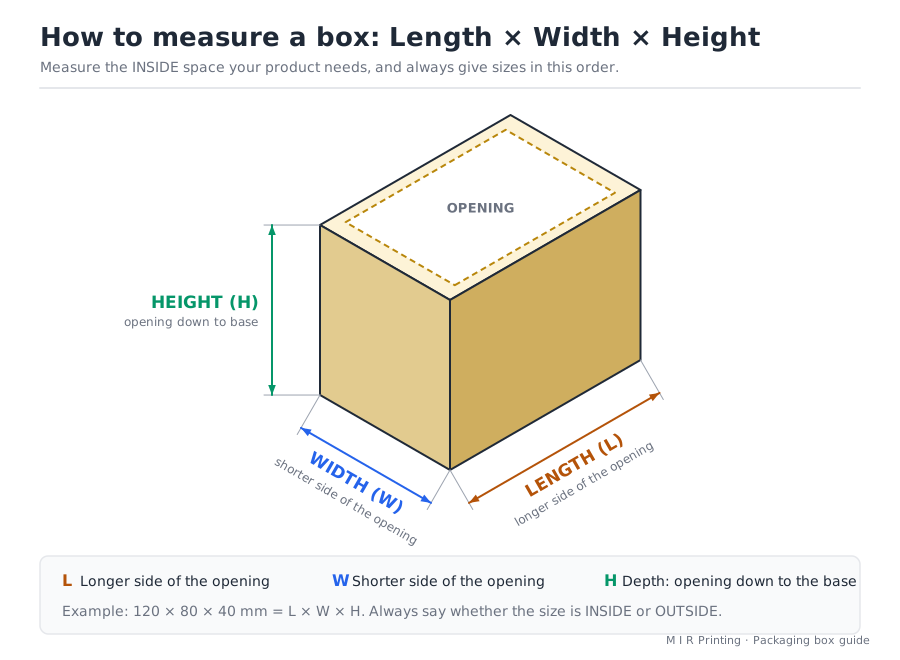
One of the most important steps in custom packaging is providing accurate product dimensions.
Measure the product’s:
Length × Width × Height
Remember:
Length (L) = longest horizontal dimension
Width (W) = side-to-side dimension
Height (H) = vertical dimension
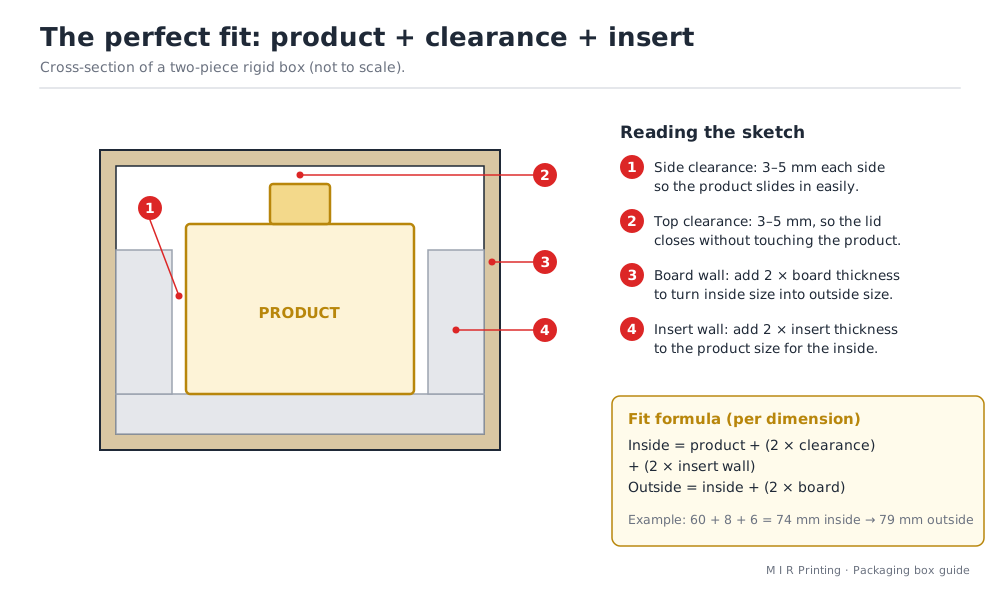
But the product dimensions alone are not always the final internal box dimensions.
You may also need space for:
- Foam
- Cardboard inserts
- Molded inserts
- Tissue
- Protective padding
- Product movement
- Closures
A packaging professional can determine the appropriate clearance based on the product and box structure.
Understanding a Packaging Dieline
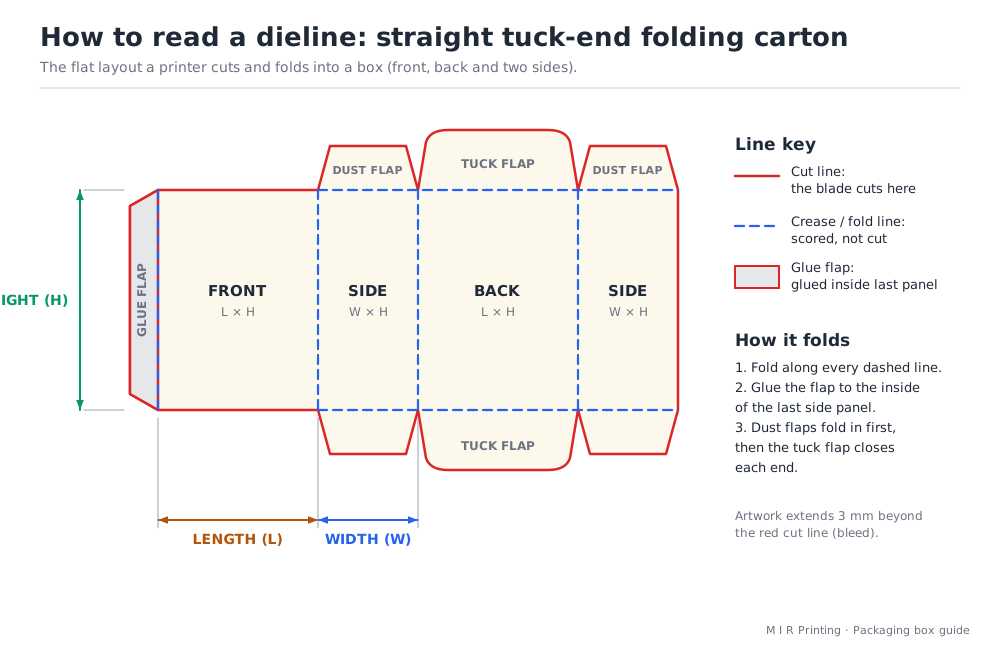
A dieline is the flat technical template used to manufacture a box.
It indicates where the packaging will:
- Fold
- Cut
- Glue
- Lock
- Open
- Close
A simplified example looks like this:
The actual dieline will vary depending on the box style.
Why does the dieline matter?
A visually attractive design can still fail if the structural template is incorrect.
Incorrect dimensions, fold positions, glue flaps or locking mechanisms can cause:
- Poor assembly
- Misaligned artwork
- Incorrect box dimensions
- Difficult opening
- Loose products
- Wasted material
For this reason, structural design should be considered alongside graphic design.
Packaging Materials: Which One Should You Choose?

There is no single material that is best for every product.
| Material | Main Strength | Common Application |
| Art Board | Excellent print surface | Retail cartons |
| Kraft Board | Natural appearance | Eco packaging |
| Corrugated Board | Protection | Shipping |
| Rigid Greyboard | Premium structure | Luxury boxes |
| Specialty Board | Unique appearance | Premium packaging |
Think of material selection this way:
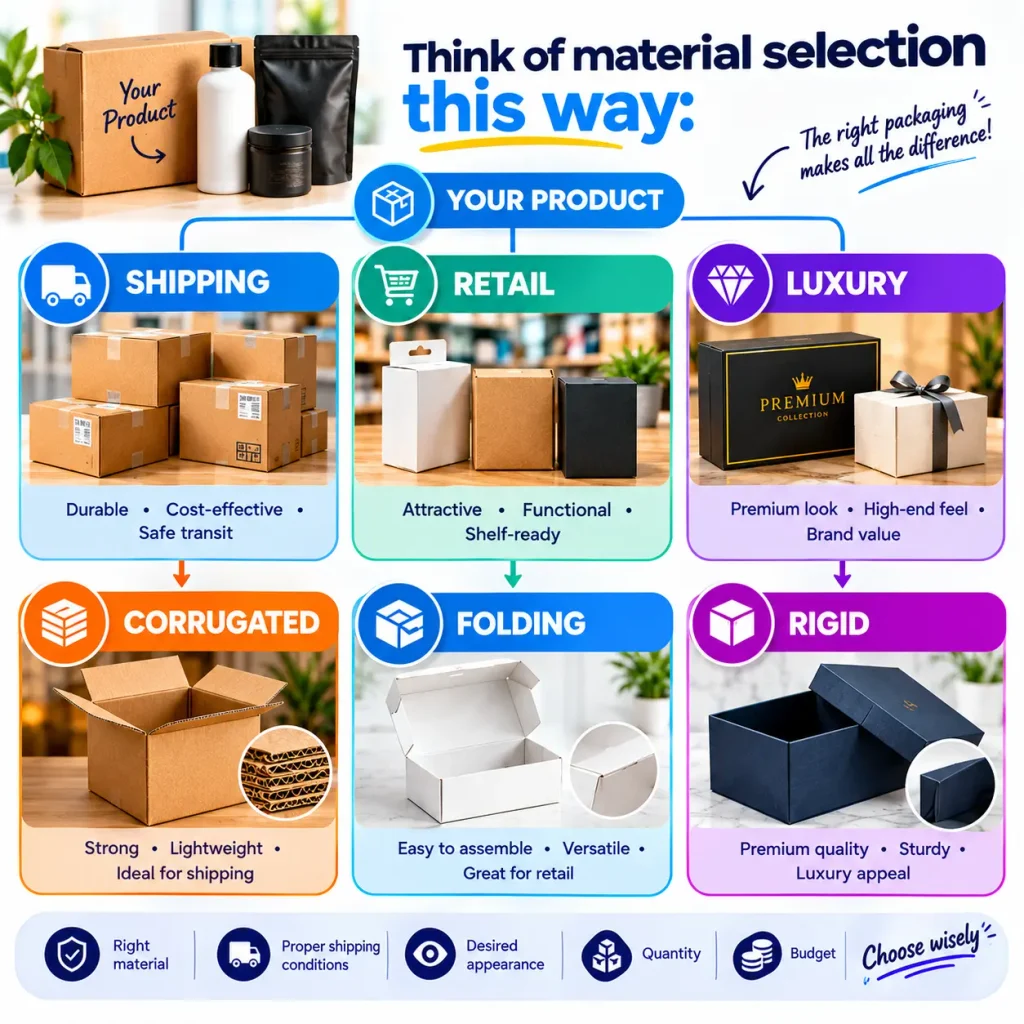
The correct choice depends on the product, shipping conditions, desired appearance, quantity and budget.
Packaging Board Thickness and GSM
GSM means grams per square metre and is commonly used to describe the weight of paper or paperboard.
For example:
250 GSM → 300 GSM → 350 GSM → 400 GSM
Generally, moving toward a heavier board can increase thickness and stiffness, but GSM alone does not determine the performance of a finished box.
Board type, construction, coating and box structure also matter.
Simple visual
250 GSM 300 GSM 350 GSM 400 GSM
│ │ │ │
Light Medium Heavier Heavier
For rigid boxes, the construction is different from a conventional folding carton, so the board specification should be discussed with the packaging supplier.
Packaging Box Printing Options
Your packaging can be customized at several levels.
| Option | Examples |
| Board | Art board, kraft, corrugated, rigid |
| Printing | CMYK, selected spot colors |
| Finish | Matte, gloss, soft-touch |
| Foil | Gold, silver, rose gold |
| Texture | Embossing, debossing |
| Highlight | Spot UV |
| Structure | Rigid, folding, drawer, sleeve, mailer |
| Inserts | Foam, molded, card |
| Windows | Die-cut with suitable film |
| Interior | Printed patterns, messages, branding |
Packaging Finishing Options Explained
Finishing can be used to change both the appearance and tactile experience of a package.
Matte Lamination
Creates a smooth, non-glossy appearance.
Good for: modern, elegant and understated branding.
Gloss Lamination
Creates a shiny surface that can make colors appear more vibrant.
Good for: colorful retail packaging and products that need strong shelf visibility.
Soft-Touch Lamination
Creates a smooth, soft surface with a distinctive tactile feel.
Good for: premium and luxury packaging.
Foil Stamping
Metallic foil can be applied to selected areas.
Common colors include:
- Gold
- Silver
- Rose gold
Good for: logos, product names and luxury details.
Embossing
Raises selected elements from the surface.
Debossing
Pushes selected elements into the surface.
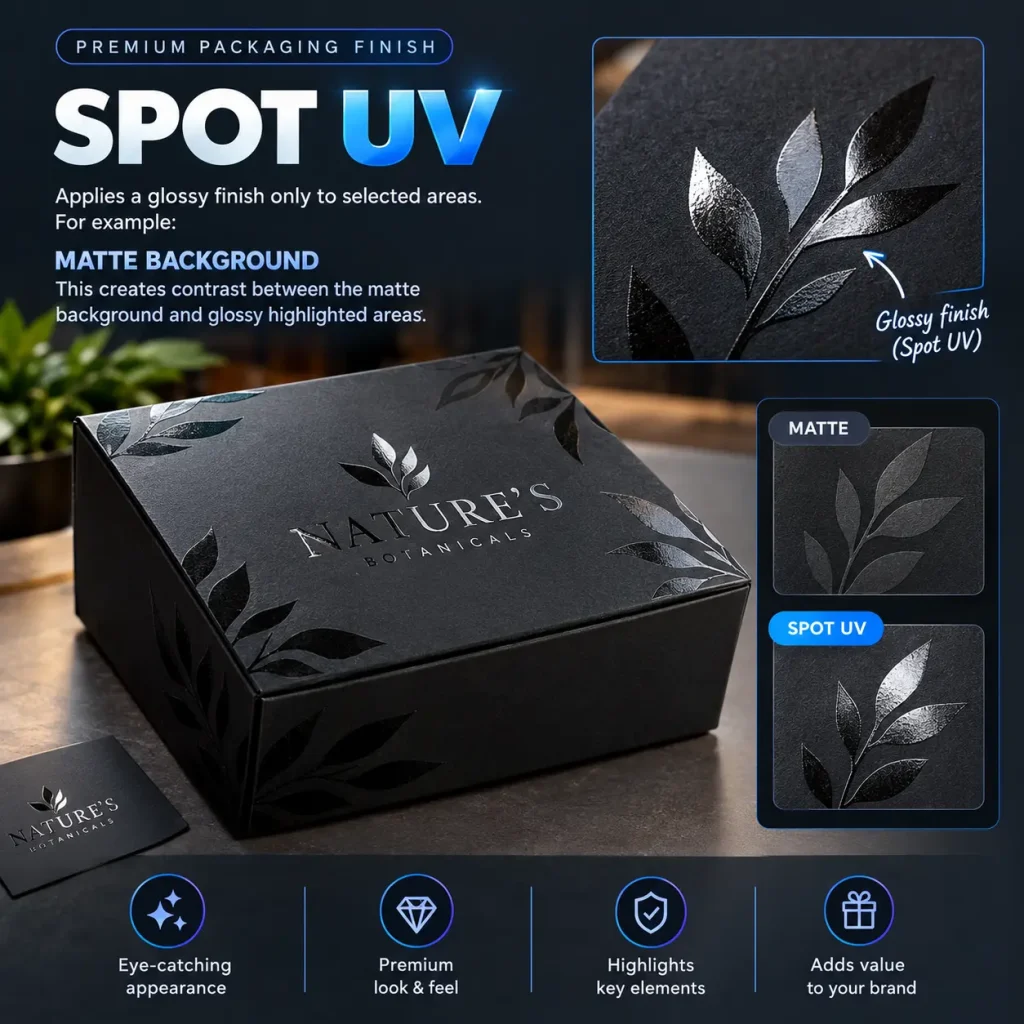
Spot UV
Applies a glossy finish only to selected areas.
For example:
MATTE BACKGROUND
This creates contrast between the matte background and glossy highlighted areas.
How to Make Packaging Look Premium Without Overspending
Premium packaging does not necessarily require every available finishing technique.
Instead of adding five different effects, consider combining:
Good structure + strong typography + quality printing + one carefully selected finish
For example:
Basic
Standard Board
Better
Quality Board + Matte Finish
Premium
Quality Board + Matte + Foil
Luxury
Rigid Structure + Premium Finish + Insert
The best combination depends on your product and customer.
Why Professional Packaging Matters
1. It Creates a Strong First Impression
Customers often form an opinion about a product before they use it.
Packaging communicates visual signals about:
- Quality
- Brand positioning
- Attention to detail
- Product category
2. It Strengthens Brand Recognition
Consistent use of:
- Colors
- Logo
- Typography
- Graphics
- Finishing
can make packaging easier to recognize.
3. It Improves the Unboxing Experience
The experience can extend beyond the outside of the box.
For example:
Outer box → Opening mechanism → Interior print → Insert → Product → Thank-you message
A thoughtful sequence can make the product experience more memorable.
4. It Protects the Product
Packaging is not only about appearance.
The right structure and insert can help protect products during:
- Storage
- Handling
- Transportation
- Delivery
5. It Can Support Premium Positioning
Luxury materials, carefully selected finishes and strong structural design can support a premium brand presentation.
However, packaging should match the product and target customer rather than simply becoming more expensive.
Packaging Boxes for Different Industries in Dubai
Perfume and Cosmetics Packaging
Popular options include:
- Rigid boxes
- Foil stamping
- Embossing
- Soft-touch finishing
- Magnetic closures
- Custom inserts
E-commerce Packaging
E-commerce businesses typically need packaging that balances:
Protection + Branding + Shipping Efficiency
Corrugated mailer boxes are often suitable for this purpose.
Food, Dates and Confectionery
Possible options include:
- Folding cartons
- Window boxes
- Gift boxes
- Kraft packaging
Food-related packaging should use materials and components appropriate for the intended application.
Corporate Gifting
Corporate gift packaging can include:
- Magnetic boxes
- Drawer boxes
- Rigid boxes
- Custom inserts
- Printed interiors
These can be particularly useful for seasonal gifting and corporate events.
Electronics and Accessories
Packaging should provide suitable protection and may include:
- Foam inserts
- Molded inserts
- Cardboard inserts
- Custom compartments
Fashion and Retail
Popular combinations include:
Folding carton + sleeve + tissue + thank-you card
Jewelry and Watches
Small premium boxes can include:
- Rigid board
- Velvet or satin-style inserts
- Magnetic closure
- Foil
- Embossing
FMCG Products
High-volume retail products generally require efficient structures and production methods that keep the cost per unit competitive.
How to Choose the Right Packaging Box
Choosing the right box becomes much easier when you work through a few questions.
Step 1: What are you packaging?
Measure:
Length × Width × Height
Also consider:
- Weight
- Fragility
- Shape
- Number of products
Step 2: Where will the box be used?

Step 3: What does your customer expect?
A luxury perfume and an everyday e-commerce product should not necessarily use the same packaging.
Step 4: Do you need protection?
Fragile products may require inserts or stronger structures.
Step 5: What is your budget?
Choose the combination of:
Material + Structure + Printing + Finishing
that provides the best result within your budget.
Step 6: How many boxes do you need?
Request pricing at several quantities if possible.
For example:
500 → 1,000 → 2,500 → 5,000
The cost per box can change significantly as quantity increases.
Common Packaging Mistakes to Avoid
1. Choosing the Box Before Measuring the Product
Always start with the product dimensions.
2. Using the Wrong Material
A beautiful box is not useful if it cannot withstand the handling or shipping conditions it will face.
3. Using Low-Resolution Artwork
For professional printing, artwork should be prepared according to the printer’s specifications.
Where raster images are used, 300 DPI at final size is commonly recommended.
4. Skipping the Sample
A digital mockup cannot completely replace a physical sample.
Before approving a large production run, check:
- Dimensions
- Colors
- Material
- Finishing
- Assembly
- Product fit
5. Forgetting Inserts
A product moving around inside a box can damage both the product and the packaging experience.
6. Making the Structure Too Complicated
Complex structures can increase production and assembly costs.
The structure should serve a purpose.
7. Adding Too Many Finishes
Foil + embossing + spot UV + multiple laminations may sound impressive, but excessive finishing can make a package visually confusing.
8. Ordering Too Late
Custom packaging involves design, sampling, production and potentially revisions.
Plan backward from the date when you actually need the boxes.
How Much Does Custom Packaging Box Printing Cost in Dubai?
There is no single price for custom packaging boxes.
The final cost can depend on several factors.
1. Quantity
Higher quantities can reduce the per-unit cost because setup expenses are distributed across more boxes.
2. Box Style
A simple folding carton generally requires fewer materials and production steps than a complex rigid magnetic box.
3. Material
Different boards have different costs.
4. Printing
Full-color printing, additional spot colors and interior printing can affect the price.
5. Finishing
Additional processes such as:
- Foil
- Embossing
- Spot UV
- Lamination
can increase production costs.
6. Inserts
Foam, molded inserts, cardboard compartments and other internal components add material and assembly costs.
7. Design and Dieline
If you already have production-ready artwork and a suitable dieline, your requirements may differ from a project that needs complete structural and graphic design.
What should you provide for an accurate quote?
At minimum, provide:
Product dimensions + Quantity + Box style + Desired finish
A reference image can also help communicate the appearance you want.
Custom Packaging Box Printing Process
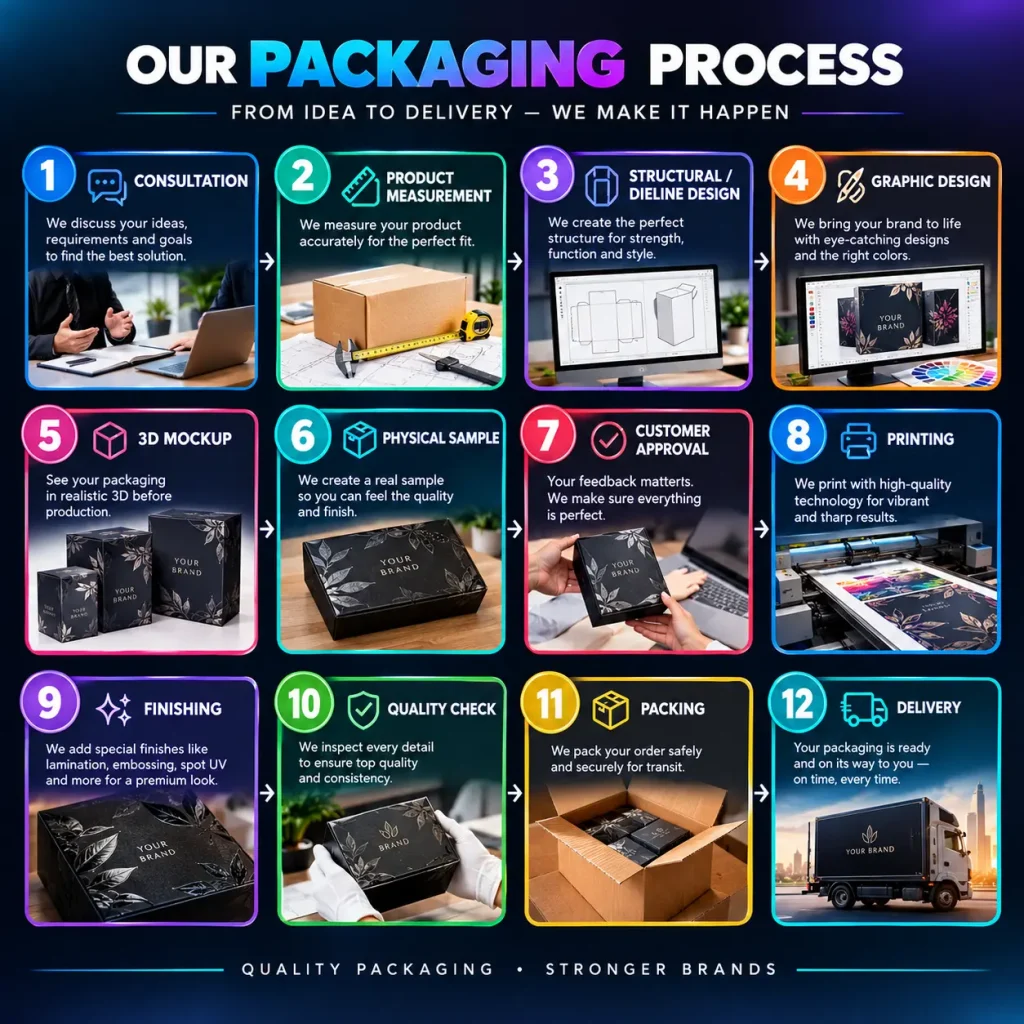
A professional packaging project can follow these stages:
1 Consultation
2 Product Measurement
3 Structural / Dieline Design
4 Graphic Design
5 3D Mockup
6 Physical Sample
7 Customer Approval
8 Printing
9 Finishing
10 Quality Check
11 Packing
12 Delivery
1. Consultation
Discuss:
- Product
- Quantity
- Budget
- Timeline
- Desired appearance
2. Structural Design
The packaging structure is developed around the product.
3. Graphic Design
Branding, colors, typography and product information are applied to the dieline.
4. Mockup
A digital 3D representation can help visualize the final packaging.
5. Physical Sample
Where available and appropriate, a physical prototype provides a better opportunity to check fit, material, color and finishing.
6. Production
Once approved, the packaging enters production.
7. Finishing and Quality Control
The selected finishing processes are applied and the completed packaging is checked before delivery.
Why Choose a Local Packaging Box Printer in Dubai?
Working with a local supplier can offer practical advantages.
Easier Sample Approval
You can potentially review physical samples locally rather than relying entirely on digital previews.
Faster Communication
Questions about dimensions, materials, artwork and finishing can be resolved more directly.
Easier Reordering
If the packaging specifications are retained, future orders may be simpler to repeat.
Local Delivery
Businesses operating in Dubai can potentially coordinate delivery directly to their office, warehouse or retail location.
B2B Support
For businesses with recurring requirements, discussing scheduled production or staged delivery can help with inventory planning.
Frequently Asked Questions About Packaging Boxes in Dubai
What is the minimum order quantity for custom packaging boxes?
The minimum quantity depends on the box style, materials, production method and supplier. Simpler packaging may be available in smaller quantities, while certain rigid or highly customized boxes may require larger runs.
Ask for the MOQ and price breaks before placing your order.
How long does custom box printing take in Dubai?
Production time varies according to quantity, material, finishing, artwork approval and sampling.
The original brief suggests a typical 7–15 working day production range, but this should be confirmed with MIR for the specific project before publication or quotation.
Can I get a sample before bulk production?
A physical sample or prototype is recommended when the project allows it.
It lets you check:
- Size
- Product fit
- Board
- Color
- Finishing
- Assembly
before committing to a large production run.
What is the difference between rigid and corrugated boxes?
Rigid boxes use thick solid board and are generally chosen for premium presentation.
Corrugated boxes use a fluted construction designed to provide strength and protection, making them particularly useful for shipping and e-commerce.
Are eco-friendly packaging options available?
Possible options include kraft boards, recyclable materials and other packaging constructions designed with sustainability considerations.
However, specific environmental claims such as FSC certification or particular ink specifications should be confirmed with the supplier before being advertised.
Can you print inside the box?
Interior printing can be used for:
- Brand messages
- Patterns
- Instructions
- Thank-you messages
- Promotional content
Availability depends on the selected box structure and printing process.
Do I need to provide the dieline?
A full-service packaging provider may be able to create the dieline based on your product dimensions.
If you already have one, the printer can check whether it is suitable for production.
What artwork files are required?

Print requirements vary, but professional packaging artwork commonly uses:
- AI
- EPS
- High-resolution images
- CMYK artwork
- Proper bleed
- Outlined fonts where required
Your printer should provide the exact file specifications before production.
Can packaging boxes be delivered outside Dubai?
Delivery coverage depends on the supplier.
For a Dubai-based packaging company serving the UAE, confirm whether delivery is available to locations such as Abu Dhabi, Sharjah, Ajman and the Northern Emirates.
Can packaging boxes be made in custom shapes?
Yes, custom packaging structures can be designed for many different product requirements.
Examples include:
- Hexagonal boxes
- Pillow boxes
- Gable boxes
- Custom sleeves
- Bespoke rigid boxes
Unusual structures may require custom cutting dies and additional production considerations.
How can I make my packaging look premium on a limited budget?
Start with the fundamentals:
Good design + appropriate material + accurate printing + one strong finishing detail
For example, a clean folding carton with a carefully selected finish can create a stronger premium impression than a complicated design containing too many visual effects.
When should I start planning my packaging?
Start as early as possible.
Allow time for:
Design → Dieline → Mockup → Sample → Revisions → Production → Delivery
For a new packaging project, building a schedule with several weeks of buffer is safer than waiting until the product launch is close.
Ready to Create Your Custom Packaging Boxes in Dubai?
The right packaging should do three things:
Protect your product.
Represent your brand.
Create a better customer experience.
Whether you need custom folding cartons, corrugated mailers, rigid luxury boxes, drawer boxes, magnetic boxes, sleeves, or another structure, the first step is to define your product dimensions, quantity, packaging purpose, and desired finish.
For an accurate quotation, prepare:
Product dimensions + Quantity + Box type + Material preference + Finishing requirements
Then work with your packaging supplier to finalize the structure, artwork, sample, and production specifications.
Looking for custom packaging box printing in Dubai? Contact M I R Printing to discuss your packaging requirements and request a quotation.